The biological power of fungi.
We turn it into biologicals for biocontrol and plant growth promotion, in field and specialty crops, animal production and post-harvest. From strain selection to a product on the market, backed by science at every stage.
What are you looking for?
I want to develop a biological with Biovires
How we work, what each party brings and at which stages.
See the model Technical and R&D teamsI want to see what the platform can solve
Biocontrol and growth promotion, by market and by pest.
See the platform InvestorsI want to learn about the project
Team, track record and scientific backing. We discuss the project’s numbers directly with the founders.
Learn about the projectNature already uses fungi to control pests
Some fungi infect insects; others live inside the plant, protect it and help it grow. We work with both.
They act on contact
Entomopathogenic fungi penetrate the insect’s cuticle: the pest does not need to eat them. They also multiply and spread in the environment.
They protect from within
Endophytic strains colonize roots, stems and leaves. There they are sheltered from sun, heat and rain, and they make the pest eat and reproduce less.
They add another mode of action
With a mechanism different from that of chemicals, the likelihood of the pest developing resistance is very low. And they can be combined with chemicals in integrated management.
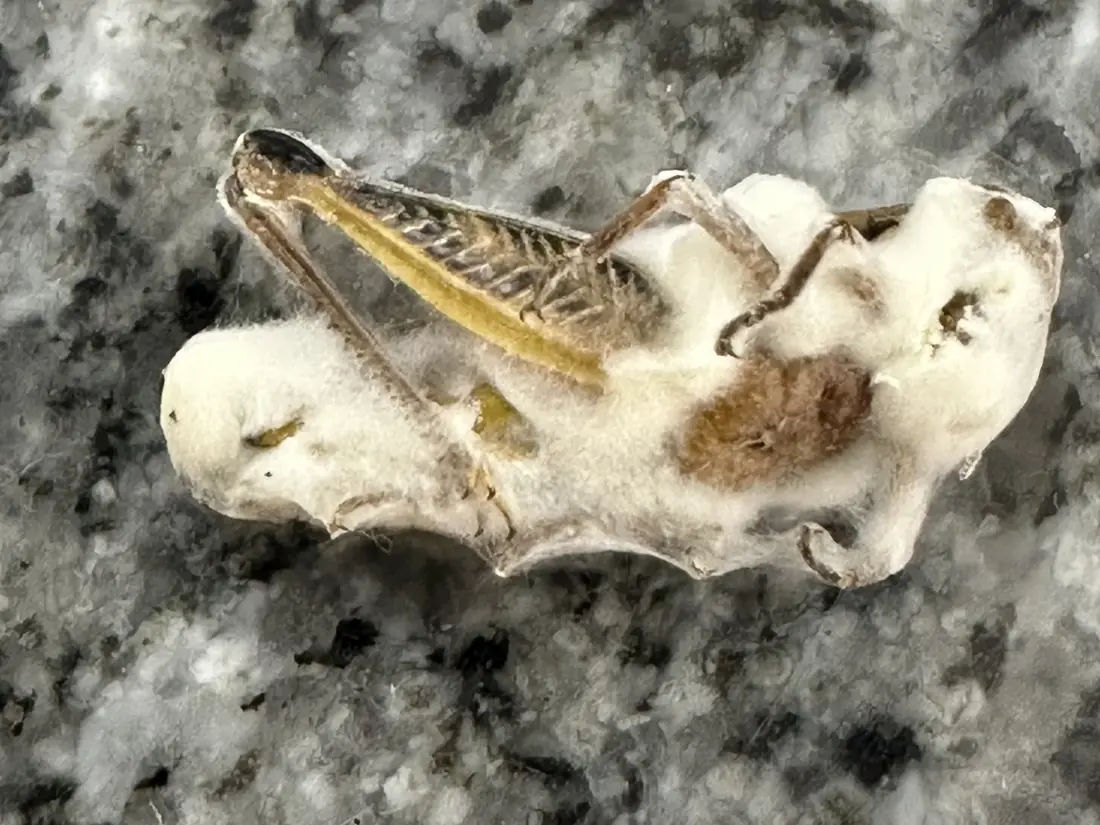
Agostino Bassi showed that a fungus, Beauveria bassiana, caused disease in insects, and proposed using it on crops. Almost two centuries later, that same fungus underpins much of our work.
Biologicals are already used on half the fields, yet they account for just 2% of the business
That gap is the opportunity. Growers already use biologicals; what is missing is more science-backed products in the portfolios of the companies that reach them.
Biologicals in Argentina: adoption vs. value
One strain bank, two actions, many markets
We do not develop a single product: we work on a platform that adapts to each pest, crop and market.
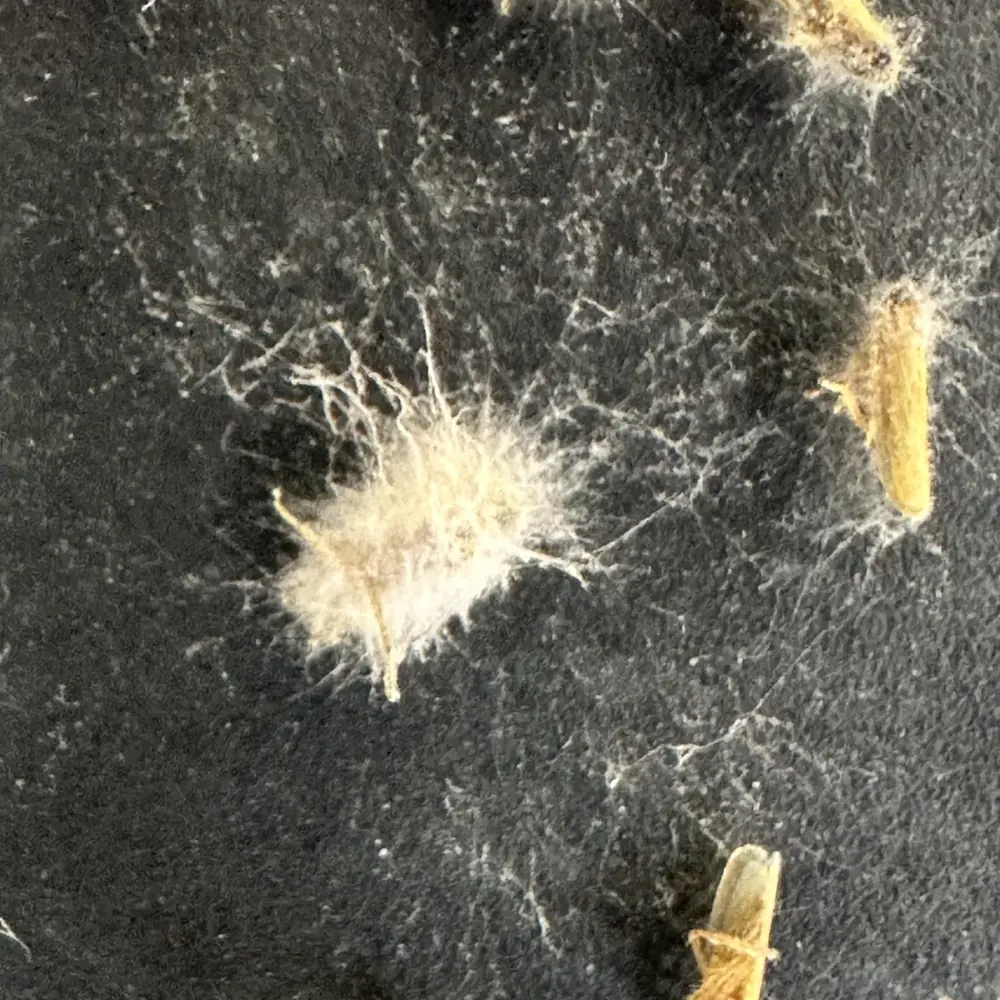
Biological control
Fungi that infect insect pests or that, from inside the plant, make them eat and reproduce less. Other strains act against crop diseases.
- Insect mortality on contact
- Lower leaf consumption and fewer eggs laid
- Repellency in stored grain
- Strains active against plant-pathogenic fungi
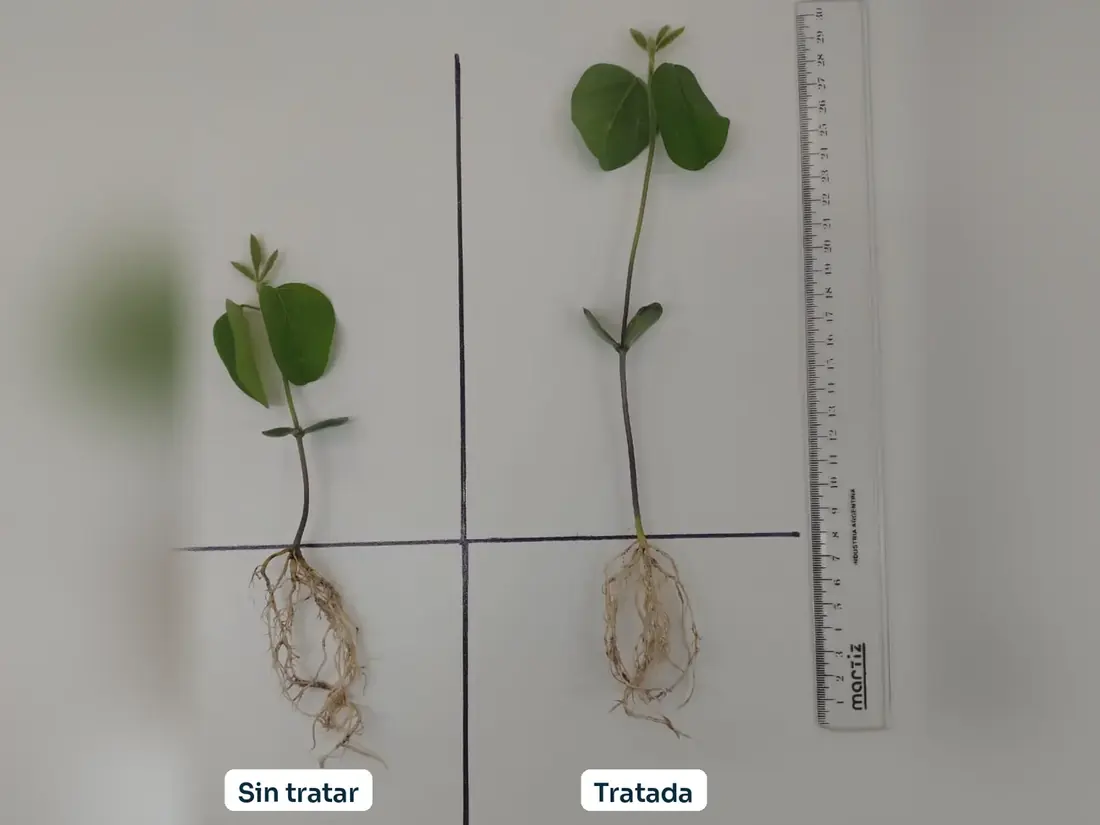
Growth promotion
Endophytic strains also work for the plant: they stimulate its development and help it take up nutrients.
- Auxin and gibberellin production
- Better iron uptake
- Phosphorus solubilization
- From the seed: protection and growth in a single application
Your own biological, without building a lab
Your company adds a differentiated biological to its portfolio, in the fastest-growing segment, without investing in in-house R&D. We handle the biology, from the problem to a validated formulation; you take it to market under your brand.
The technology
- Access to a collection of more than 500 characterized strains
- R&D on available strains and isolation of new ones
- Lab, greenhouse and commercial field trials
- Wettable powder formulation: more robust and longer-lasting
- Regulatory advice and Nagoya Protocol compliance
- Training sales teams to sell biologicals
The market
- Knowledge of the customer and the problem
- Registration and production at scale
- Distribution and sales
- Brand and relationship with the grower
From UNLP’s labs to the field
More than twenty years of research at the Spegazzini Institute of the National University of La Plata (UNLP), turned into biologicals a company can register and sell. We are a spin-off of the Institute, recognized by UNLP as a Technology-Based Company.
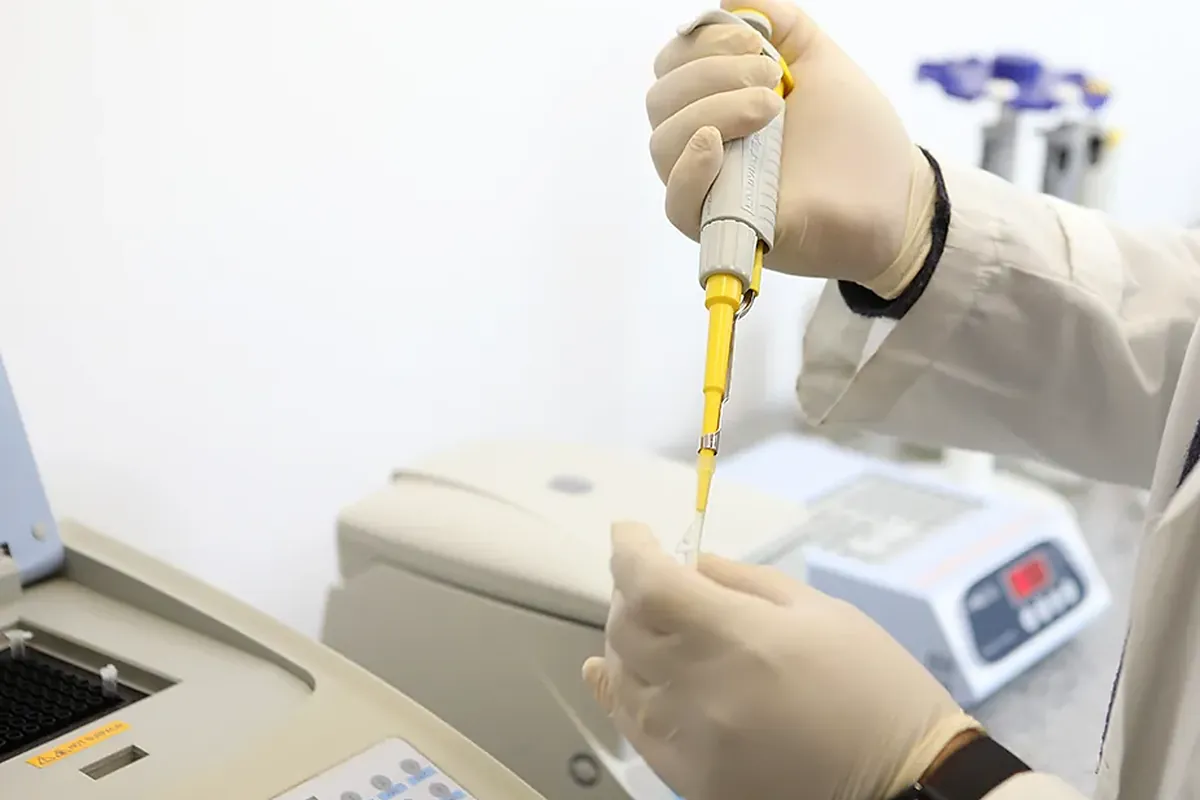
Proven science
Every strain is assessed for virulence, heat tolerance and agricultural compatibility before it enters a development project.
Native strains, tailor-made
We can search for and isolate strains in the region where the problem occurs, adapted to its real conditions.
Science and business at the same table
Two scientists specializing in entomopathogenic fungi and a manager with more than twenty years in business management and agribusiness.
Who is behind Biovires

Leonardo Ciucci
Certified Public Accountant and MBA, with postgraduate degrees in agribusiness (UBA and UCEMA). Over twenty years in business management, finance and agribusiness.

Sebastián Pelizza
PhD in Natural Sciences. Principal Researcher at CONICET, Argentina’s national research council, and director of the Spegazzini Institute (UNLP).

Ana Clara Scorsetti
PhD in Natural Sciences. University professor and Independent Researcher at CONICET since 2009.
Biovires in the media and the ecosystem
From research to business: how a technology-based company is built at UNLP
Cofounder and CSO Ana Clara Scorsetti presented the Biovires case to undergraduate and graduate research fellows, at the Technology Transfer panel on the path from the lab to a company.
View article (Spanish)From paper to field: the long road, close to the grower
In the main auditorium of the School of Economics, Leonardo Ciucci presented the Biovires case: how twenty years of research at the Spegazzini Institute reach the field through co-development with agribusiness companies.
View article (Spanish)La Plata startup develops fungi for pest control
A feature on Biovires’ work with entomopathogenic fungi and its collaboration with agribusiness companies on lab and field trials.
View article (Spanish)Facing a problem without a good biological solution?
Tell us the problem and where it shows up. We will reply with what we have in our strain bank and a proposal to trial it together.