One strain bank, many biological solutions
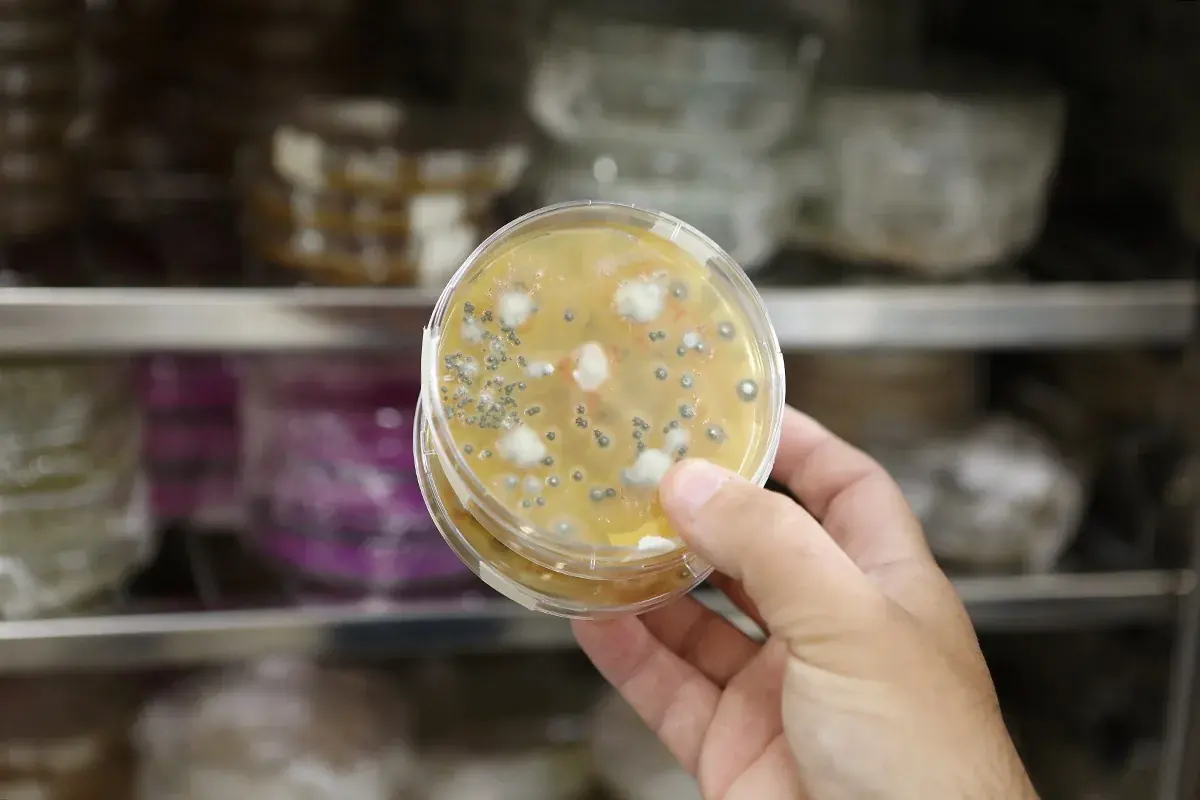
We work with a collection of more than 500 strains to solve different problems in field crops, regional economies, animal production and post-harvest. Each project starts from the strain that best fits the problem.
Protect the crop and help it grow
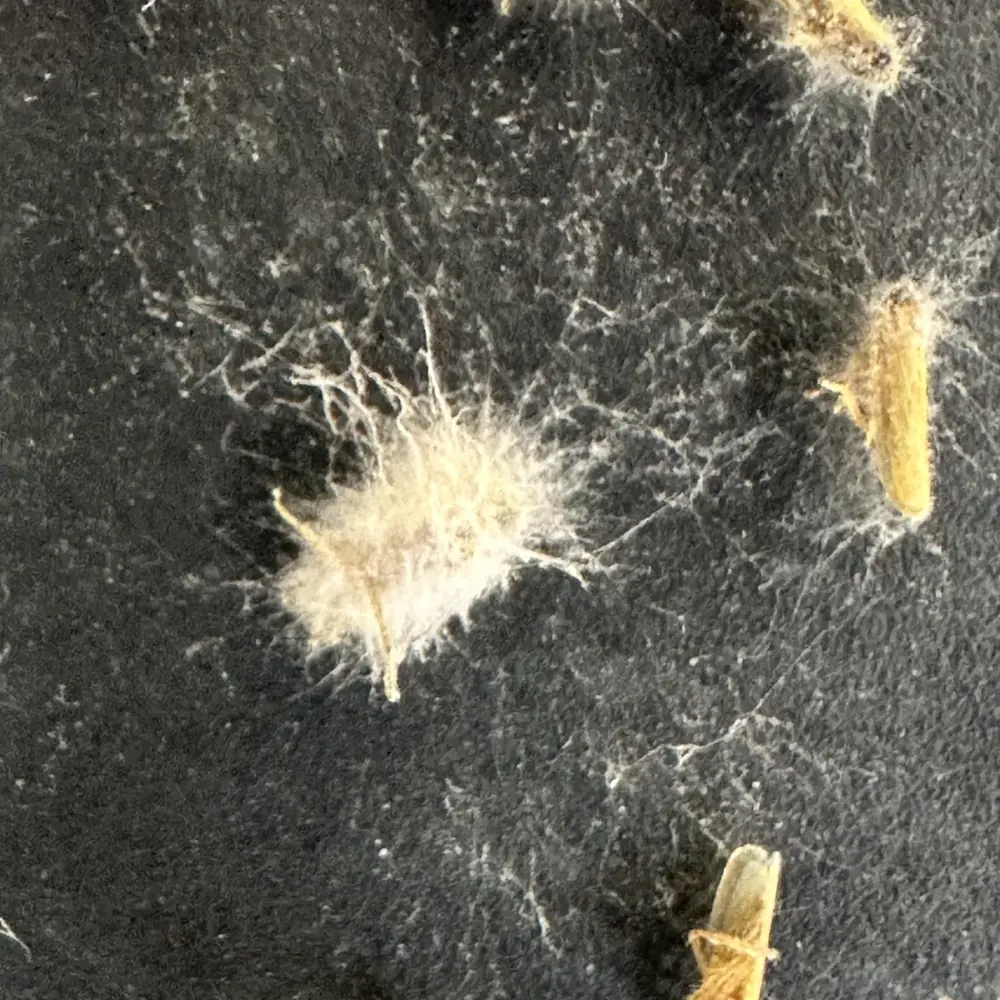
Biological control
Fungi that infect insect pests or that, from inside the plant, make them eat and reproduce less. Other strains act against crop diseases.
- Insect mortality on contact
- Lower leaf consumption and fewer eggs laid
- Repellency in stored grain
- Strains active against plant-pathogenic fungi
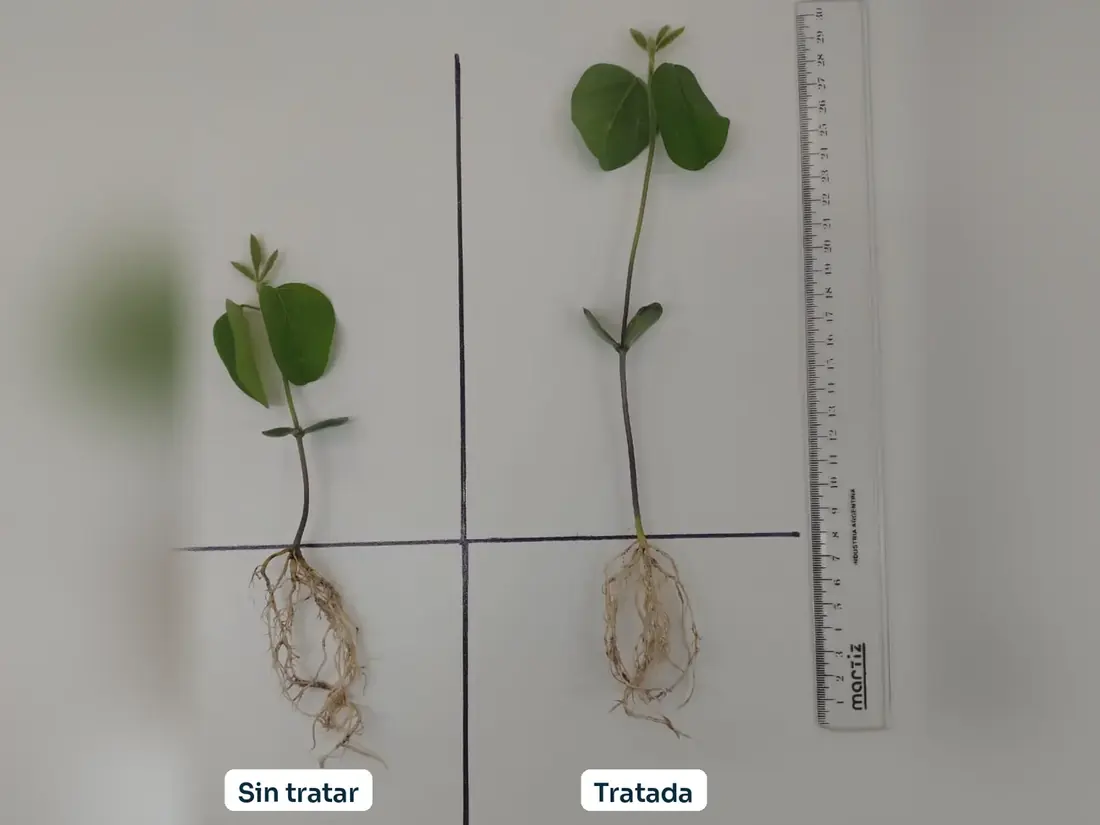
Growth promotion
Endophytic strains also work for the plant: they stimulate its development and help it take up nutrients.
- Auxin and gibberellin production
- Better iron uptake
- Phosphorus solubilization
- From the seed: protection and growth in a single application
How it reaches the crop
Wettable powder: more robust and longer-lasting
Whenever the project allows, we formulate as a wettable powder. With no water in the product, the fungus stays dormant and better protected from heat, moisture and light until the spray mix is prepared.
- Better tolerates environmental conditions during storage and transport
- Keeps its quality longer: up to 18 months, depending on the strain and storage conditions
- Easier to handle along the whole sales chain
- Mixed with water and applied with standard equipment, on seed or as a foliar spray
- If the project requires it, we also formulate as a liquid
Estimated shelf life
Where we already have results
A selection of research results in each market. They show the platform’s reach; each new project is validated for the partner’s specific problem.
Field crops
Soybean, corn and wheat: protection from the seed and control of key crop pests.
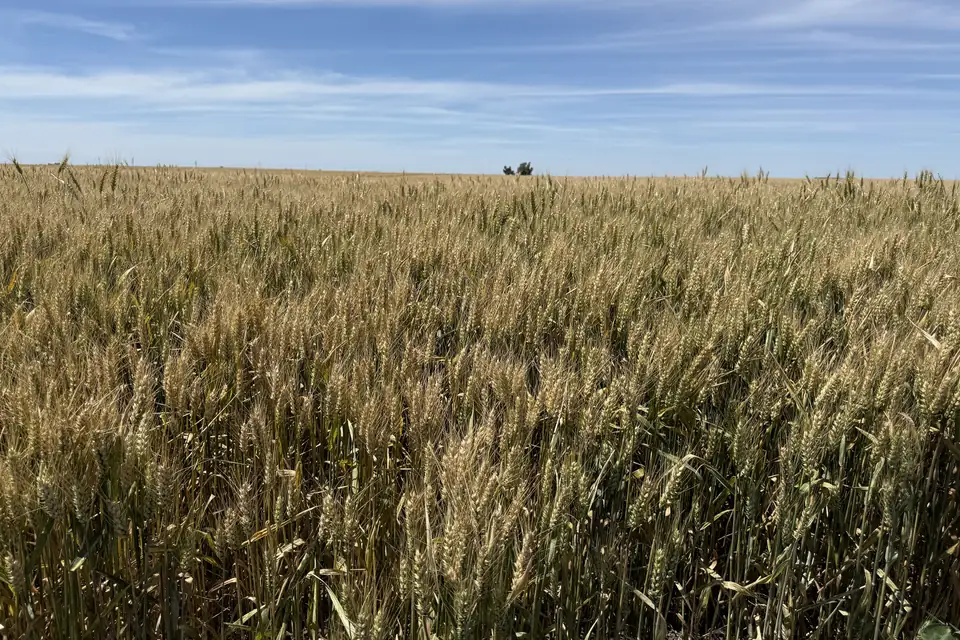
Endophytic seed treatment Beauveria bassiana
Yield equivalent to the reference chemical treatment, across a network of 19 locations.
Corn leafhopper Dalbulus maidis
A strain from the collection reached close to 95% mortality, on par with a commercial bioinsecticide tested in the same trial. The leafhopper is the vector of corn stunt disease.
Fall armyworm and bollworm Spodoptera frugiperda · Helicoverpa gelotopoeon
On corn and soybean colonized by an endophytic strain, the pest eats about a third of what it normally does and lays around 40% fewer eggs.
Regional pests
High-impact pests in regional economies, where biological alternatives are needed.
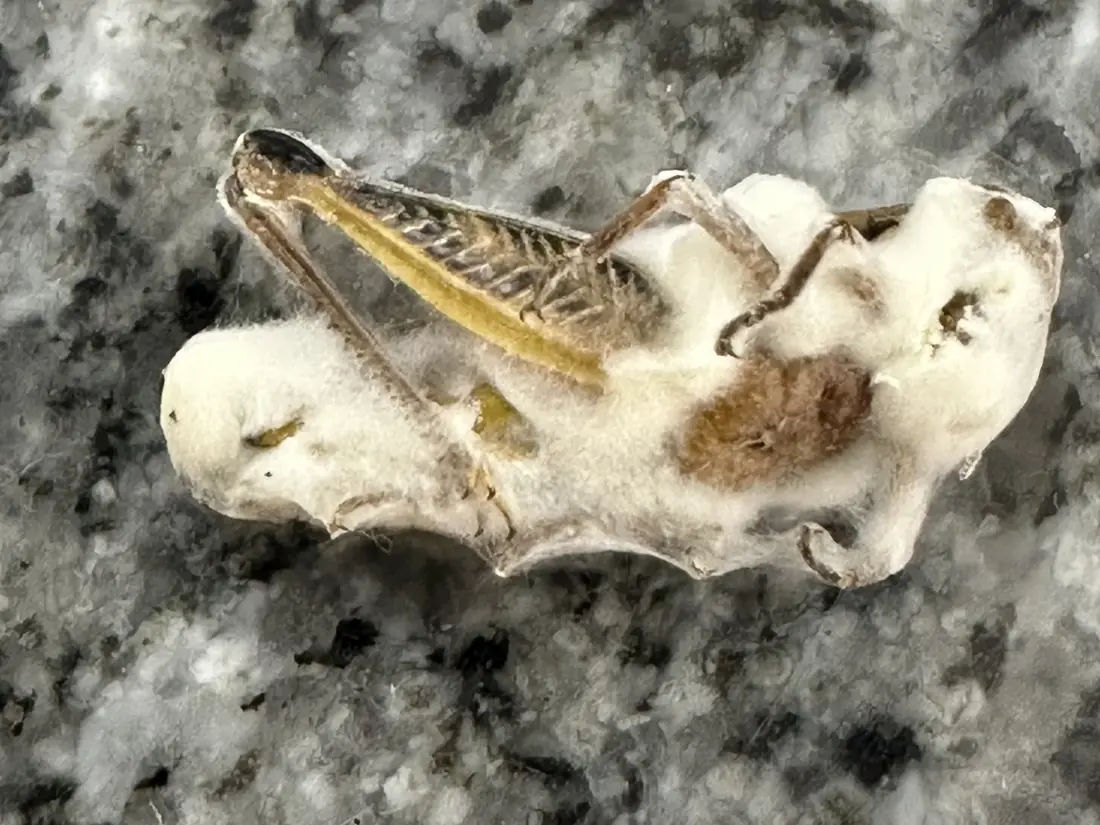
Grasshoppers and locusts Orthoptera: Acrididae
Beauveria bassiana formulations tested on nymphs in field and semi-field conditions, with mortality between 60% and over 80% depending on the trial.
Six grasshopper pest species Orthoptera: Acrididae
A Beauveria bassiana strain from the collection was tested on nymphs of six grasshopper pest species in Argentina, with published results.
Desiccation-resistant formulations Metarhizium
Metarhizium resistance structures, more tolerant to desiccation, under evaluation for locust control.
Animal production
Insect control in facilities, with native strains isolated from the production environment itself.
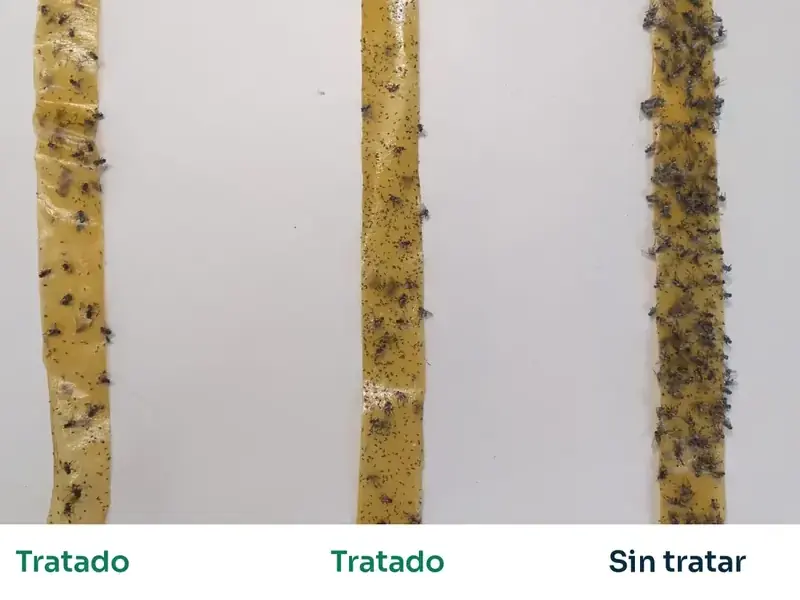
House flies in poultry houses Musca domestica
Complete control in under two weeks, sustained over time.
Native strains from the house itself Beauveria · Metarhizium
Sampling poultry houses, the team isolated native strains of entomopathogenic fungi adapted to real production conditions.
Post-harvest
Stored-grain protection without synthetic chemical residues.
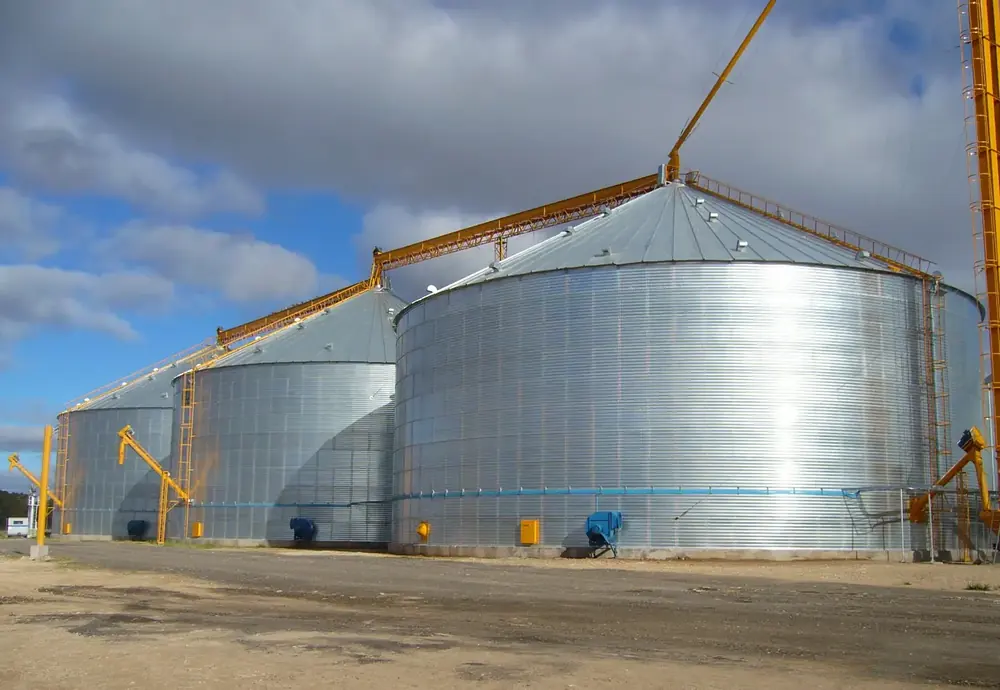
Stored-grain pests Rhyzopertha dominica · Sitophilus oryzae
In choice tests, no lesser grain borer chose the treated grain, and 86% of rice weevils avoided it too.
Adult mortality Rhyzopertha dominica · Sitophilus oryzae
In bioassays, a Beauveria bassiana strain killed 89% of lesser grain borers and 80% of adult rice weevils.
Persistence on the grain Beauveria bassiana
Forty-five days after application, the fungus was still present on all of the treated grain.
About these results
These are research results from our scientific team, several of them obtained together with companies and research groups. They show the potential of each line and are not usage recommendations for a registered product. We share technical details in a conversation with the team, under a confidentiality agreement where appropriate.
The platform goes beyond insects
Besides fungi that control insects, the collection includes strains for plant diseases and for the soil: each one, the starting point of a new project.
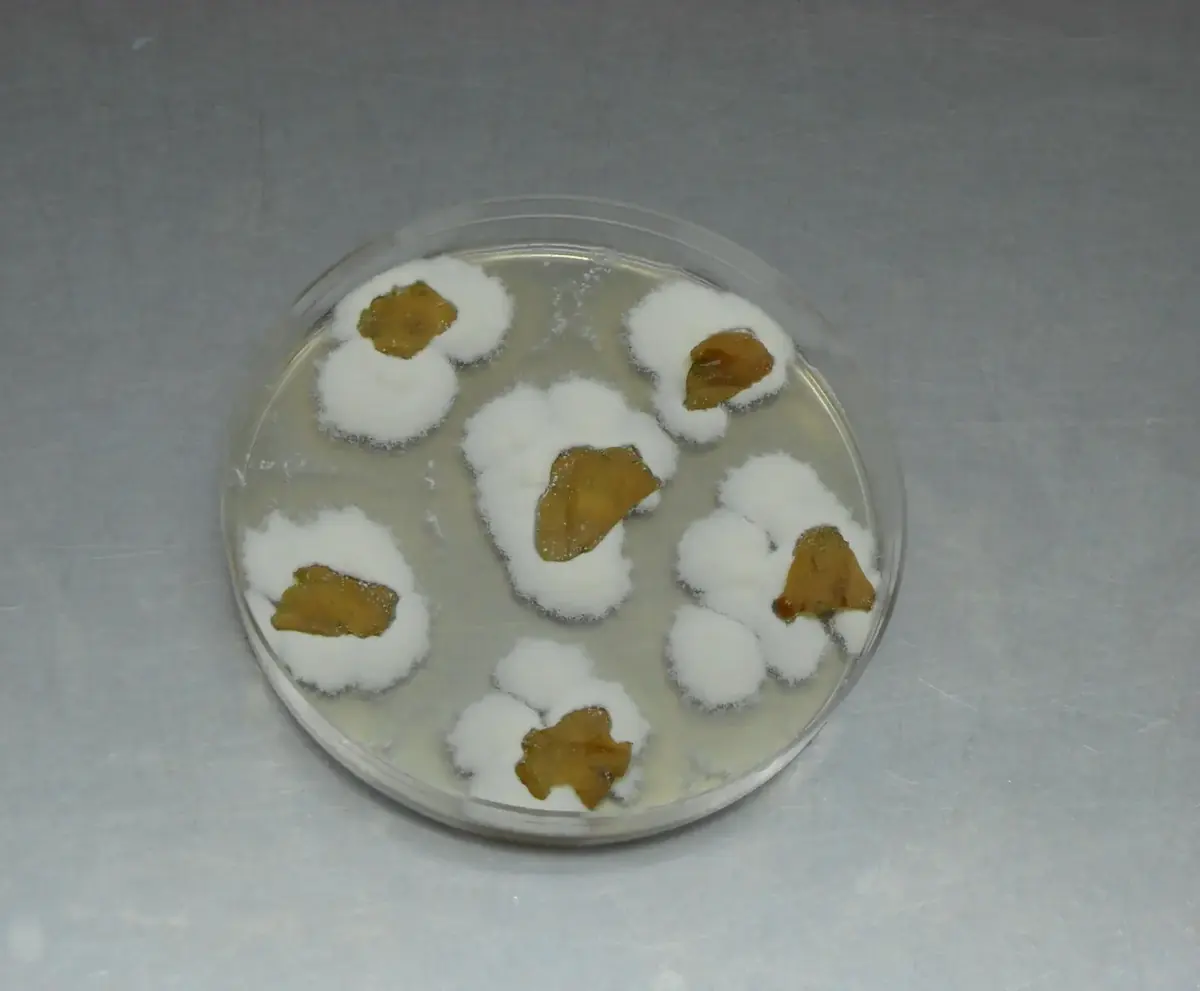
Insect pests
Caterpillars, leafhoppers, locusts, flies, aphids and stored-grain pests.
Beauveria · Metarhizium · Lecanicillium · IsariaPlant diseases
Fungi antagonistic to crop pathogens, and strains with dual action against pests and diseases.
Trichoderma · BeauveriaSoil and nutrition
Phosphorus solubilization and breakdown of cellulose and lignin.
Solubilizing and degrading strainsOur scientific team is also researching
- Vegetable cropsAphid control and growth promotion with endophytic strains, in greenhouses and in the open field.
- Pests and diseases at onceStrains that, in soybean, act against a defoliating caterpillar and against plant-pathogenic fungi.
- New formulationsMetarhizium resistance structures, tolerant to desiccation, for locust control.
- Tailor-made native strainsCollection and isolation campaigns in the region where the problem occurs, to work with fungi adapted to its conditions.
Facing a problem without a good biological solution?
Tell us the problem and where it shows up. We will reply with what we have in our strain bank and a proposal to trial it together.